
Getting Things Going
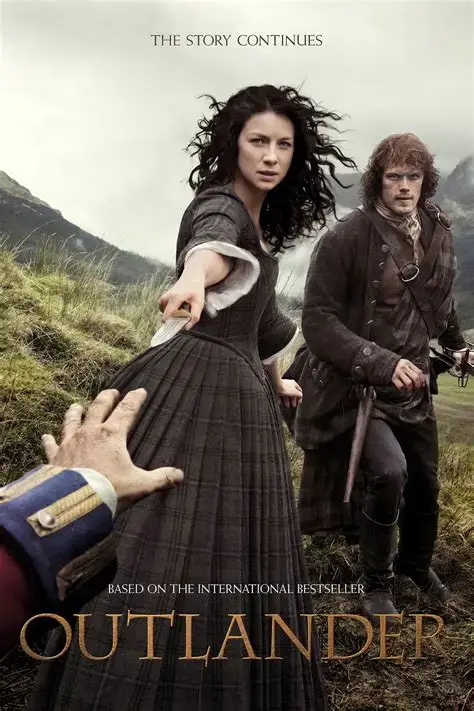
I choose to look at how the media talks about the television series Outlander because I adore time travel. The television series does more than just entertain; it takes viewers back to another era and illustrates how stereotypes, gender roles, ethnic identity, and national identity persist today. Outlander is about Claire, a nurse who uses a mysterious stone spiral to travel from World War II to 18th-century Scotland. She falls in love with Jamie, a Highlander, there.
https://www.netflix.com/ca/title/70285581

Disagreement & Discourse
Outlander has a bad image of gender. Claire is depicted as a respected and knowledgeable feminist but limited to the role of a traditional 18th-century wife, submissive to male authority. The show also portrays colonialism wrong by not showing how awful it was. Claire and Jamie's positive relationship with Indigenous people is shown as benign, making colonization appear like a fun thing to do instead of dealing with the real pain and ruin it caused.
The Culture Industry
Adorno and Horkheimer
Adorno and Horkheimer's concept of the culture industry aligns with Hall's beliefs regarding the influence of mainstream media on individuals. Mass media is not simply a tool to tell tales, but it is also a vehicle to make money, which often means lying. Adorno believed that cultural identity is commodified, lacking authenticity for capitalist gain.
Learn more about Adorno’s theory in this article


Opinion
People who watch or read media are not just sitting there; they think about what it means in relation to their own lives. Some think the information that is encoded is true, while others do not believe the thoughts and views that are presented.
Symbols
Reading Outlander's Symbols: What They Mean and What They Mean
Roland Barthes' concepts of denotation (literal meaning) and connotation (implied meaning) elucidate the symbols in Outlander:
- Claire’s nurse uniform from World War II is a practical outfit, but it also represents freedom and modern ideas. She is a powerful, independent lady in both the 1940s and the 18th century. But the series shows in an informal way that these traits are not celebrated—Claire is strong, but she still fits into gender stereotypes.


Representation
- The tartan represents Scottish lineage, but it also embodies pride, rebellion, and resistance.
- Jamie has a sword, which is a weapon, but it also represents manly power and the need to protect.
People’s views of people are shaped by these symbols. They make it look like women are strong and capable, but only after they have taken on caring tasks. alters how people see gender roles.
The Risks
The Risks of Making History Sound Romantic
Outlander is a fun show to watch, but it does not always represent the truth, especially when it comes to colonization. It is demeaning to put imperialism and gender norms on a pedestal because it takes away accountability and keeps outdated notions alive. When people do not think about the distinction between fiction and reality, the media may convey hate, bias, stereotypes, and the assumption that men are superior to women without meaning to.


Last Thoughts
Outlander is more than just a time-travel romance; it is a book that has hidden undertones about gender, culture, and history. We can see how the series both shows and affects what people believe by using Stuart Hall's encoding/decoding model, Adorno and Horkheimer's theoretical criticism of the cultural business, and Barthes' connotation/denotation framework. The way people understand these messages, whether they agree with them, disagree with them, or try to find a medium ground, illustrates how strong media is in changing how we see the world.

Create Your Own Website With Webador